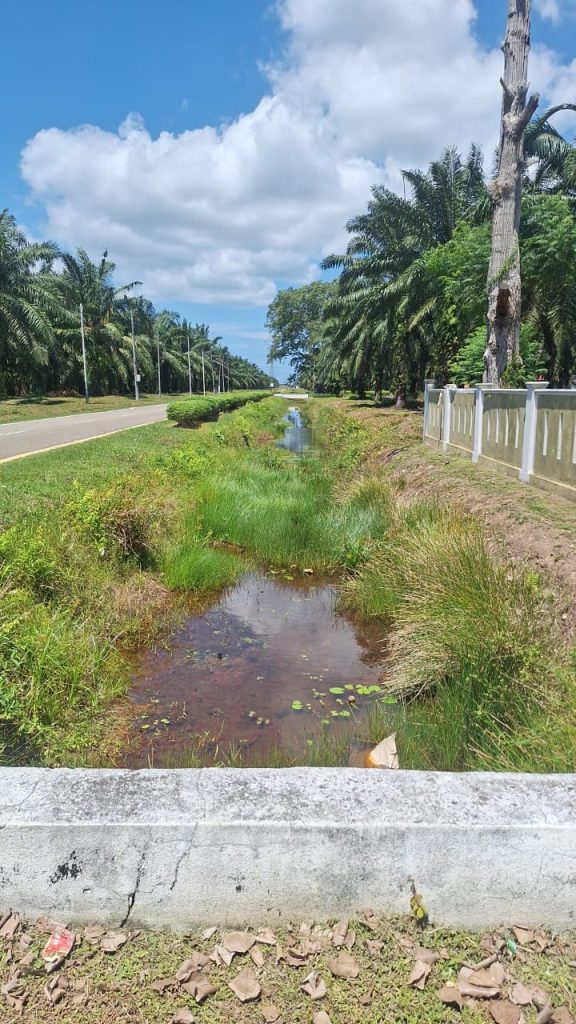
Tucked away in the Klang district of Selangor, Carey Island — or Pulau Carey — is one of Malaysia’s most underrated destinations. Accessible via the Pulau Carey bridge from the mainland, this 18,000-hectare island is dominated by vast oil palm estates managed by Sime Darby Plantation, yet beneath its plantation canopy lies a world rich in indigenous culture, colonial memory, mangrove wilderness, and quiet coastal beauty.
Most visitors whiz past on the way to nowhere in particular. Those who linger discover something extraordinary: an island that feels genuinely untouched by mass tourism, where the Mah Meri — one of Malaysia’s oldest indigenous peoples — still carve spirits into wood, where the tides shape vast mudflats alive with migratory birds, and where a small Catholic chapel has stood for over a century as a beacon of faith for a scattered plantation community.
Carey Island is not a destination you visit for its landmarks. It is a destination you visit for what it makes you feel — the deep quiet of an island still living on its own terms.
— Adapted from Sime Darby Guthrie community reflections
St. Anthony’s Chapel — The Soul of Carey Island
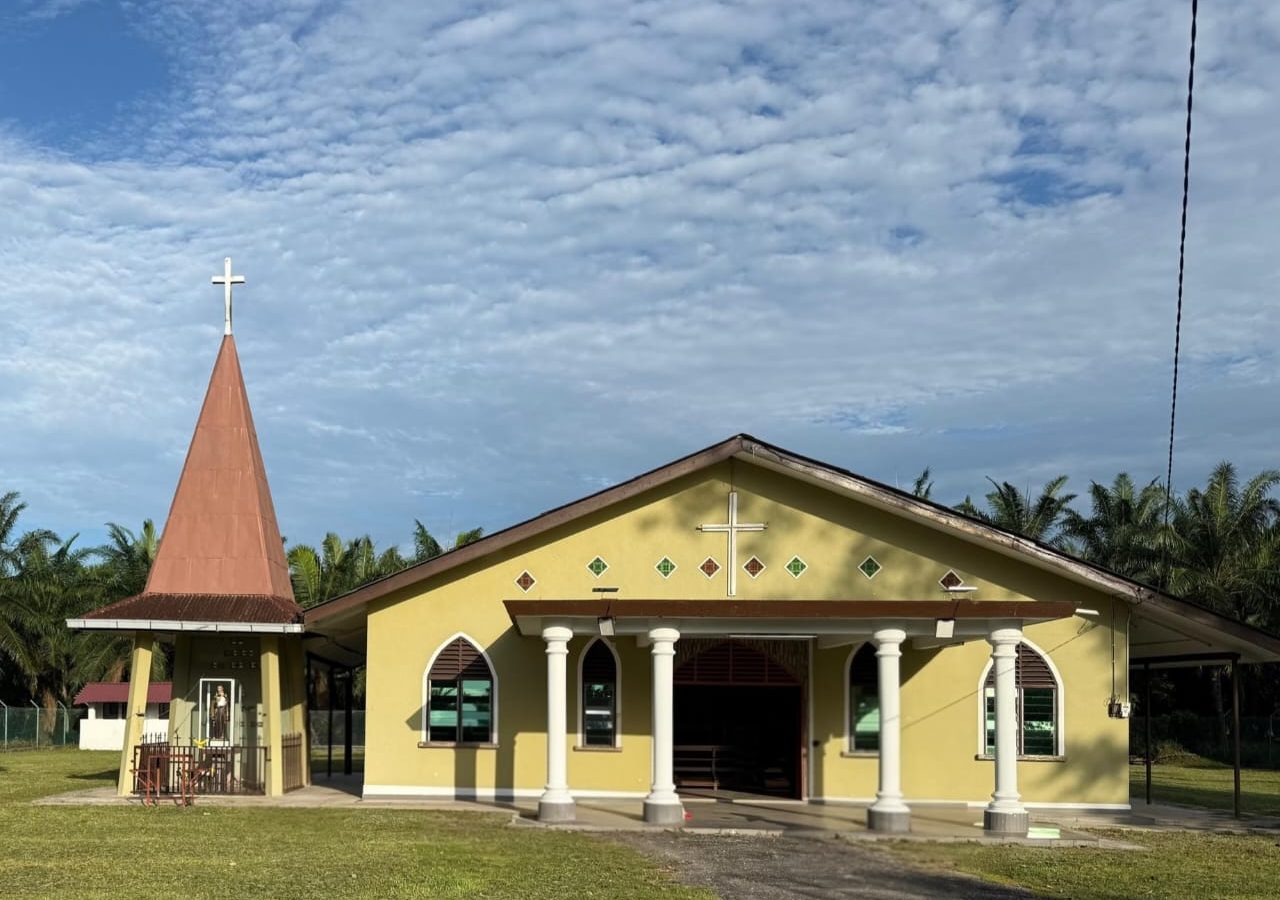
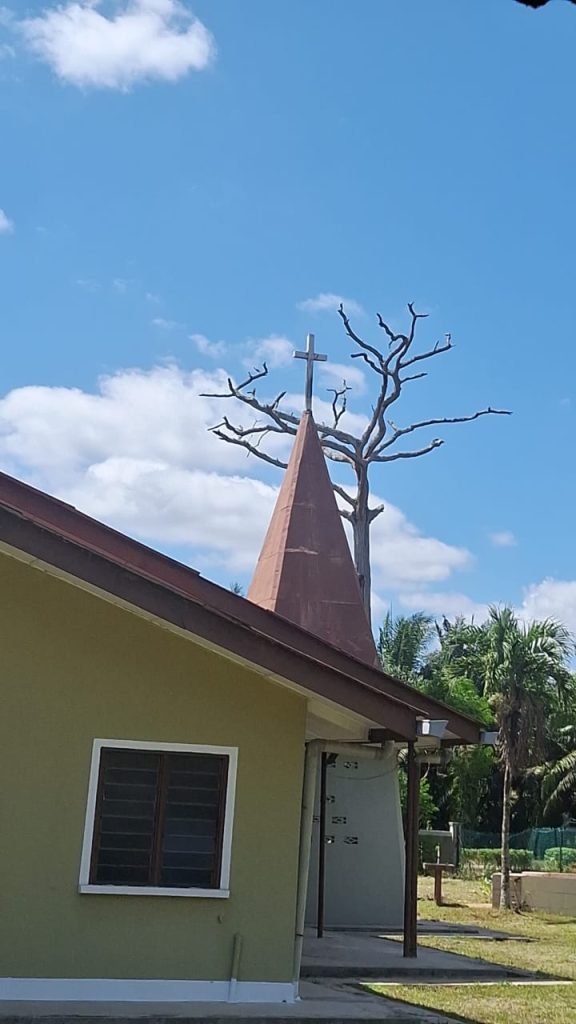
St. Anthony’s Chapel is, without question, the spiritual and emotional heart of Carey Island. Built in the early 20th century to serve the Tamil Catholic plantation workers who laboured across the Carey Island rubber and later palm oil estates, this modest whitewashed chapel has stood as a constant — through colonial rule, independence, and the dramatic transformation of the Malaysian economy.
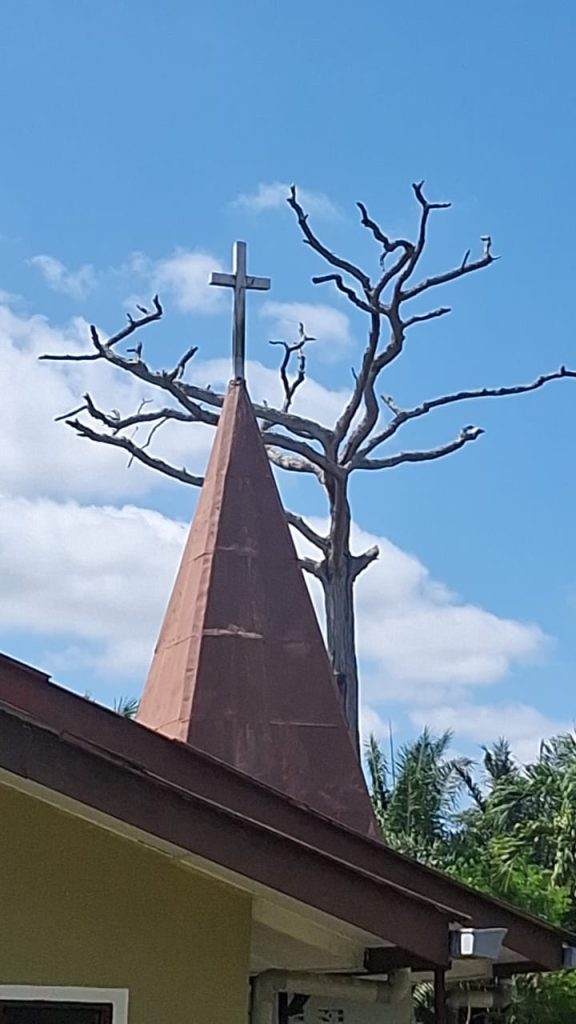
The feast of St. Anthony of Padua, celebrated on 13 June each year, draws pilgrims and devotees from across Selangor and beyond. The chapel grounds come alive with prayer, music, and the communal cooking of traditional Tamil food — a reminder that faith on Carey Island has always been inseparable from community. During this festival, the chapel’s simple bell tower rings out across the estates, heard for miles in every direction.
The chapel is believed to have been established under the patronage of the Guthrie Corporation (now Sime Darby Plantation), which historically provided land and support for religious structures serving its estate workforce. Its architecture is endearingly unpretentious — a gabled roof, arched windows, and a modest bell tower — yet its emotional weight is immense for the Tamil Catholic families who have worshipped here for generations.
Visitors are welcome outside of service times. The chapel grounds are kept with great care, and the surrounding gardens offer a peaceful spot to sit and reflect. A small grotto dedicated to Our Lady is typically found at the side — tended by the local community with fresh flowers and candlelight offerings.
The Mah Meri Cultural Village
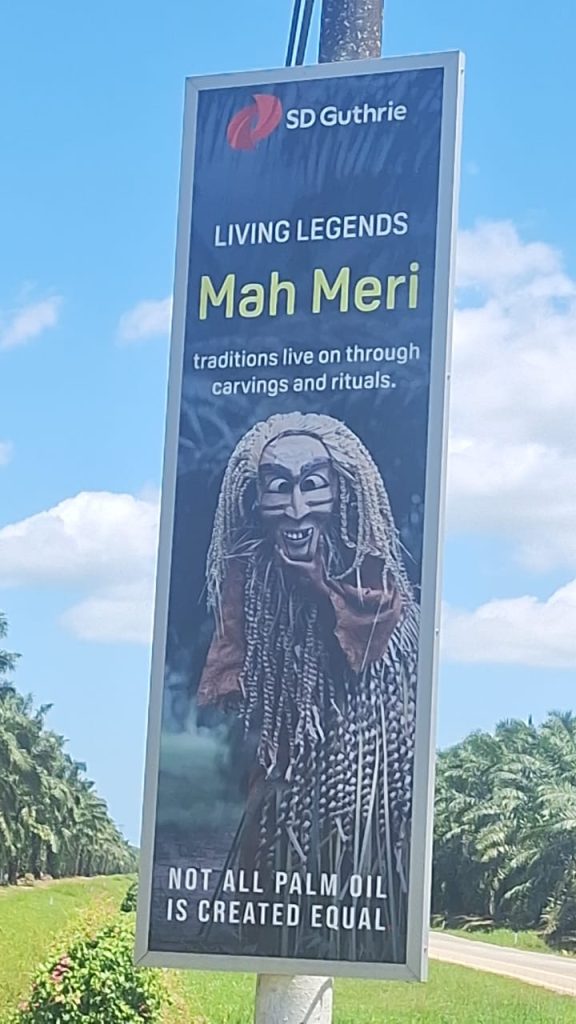
The Mah Meri are among Malaysia’s oldest surviving Orang Asli communities, and Carey Island is home to the largest concentration of their settlements, primarily in Kampung Sungai Bumbun. What makes the Mah Meri extraordinary is their woodcarving tradition — an art form rooted in animist belief, where each mask and figurine represents a specific ancestral spirit (moyang).
Visitors to the cultural village can observe artisans at work, purchase genuine carvings, and witness the annual Hari Moyang festival — a ritual ceremony to honour ancestors through dance, music, and spiritual performance. The Mah Meri’s music, performed on unique instruments including the gedombak drum, is unlike anything heard elsewhere in Malaysia.
The cultural village has worked in partnership with NGOs and tourism bodies to preserve and share Mah Meri traditions without exploiting them. Guided visits are the most respectful way to experience this living culture.
Mangrove Forests & Mudflats
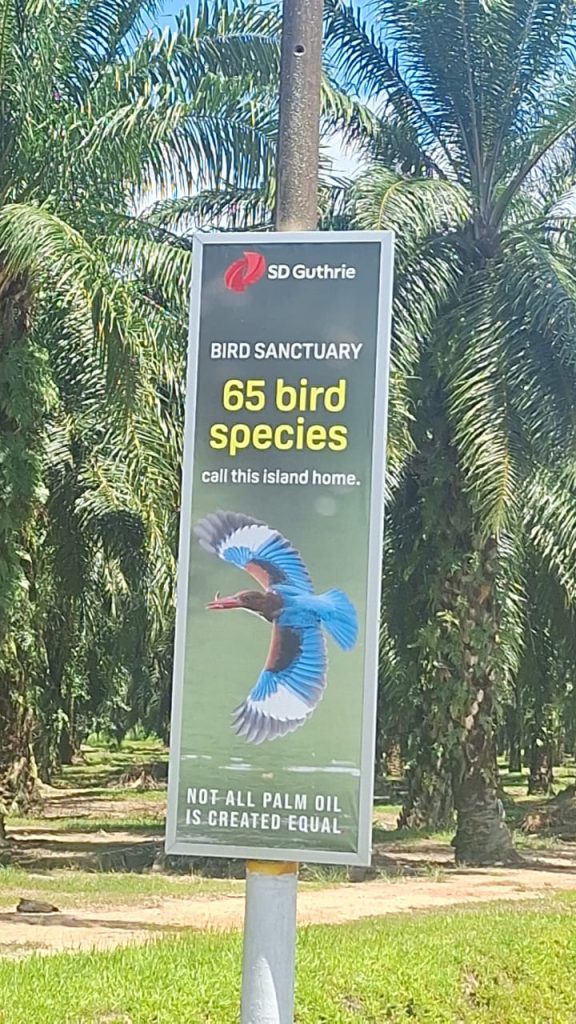
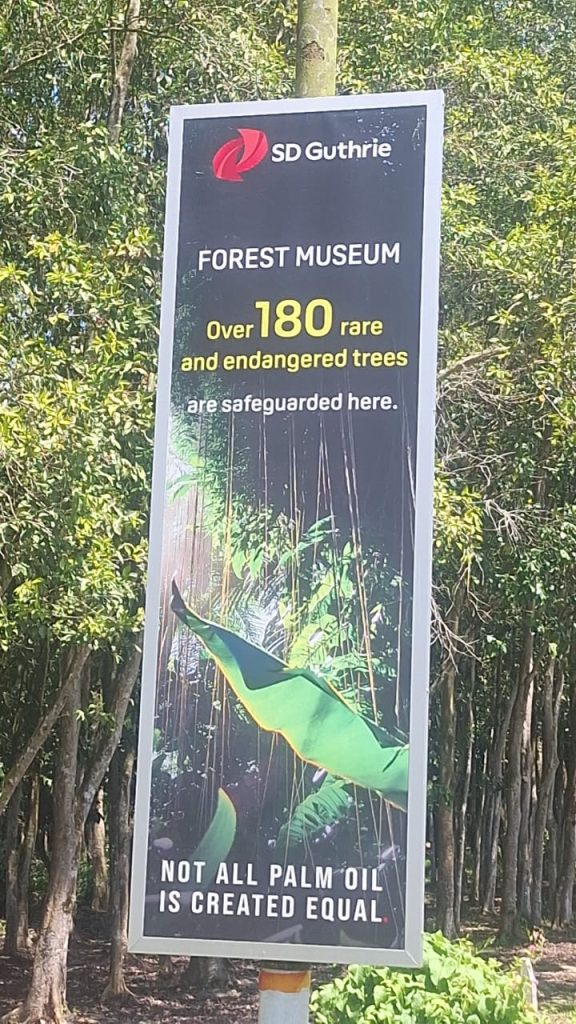
Carey Island’s coastline is fringed by extensive mangrove forests — a vital ecosystem teeming with mudskippers, fiddler crabs, and migratory shorebirds. Boat rides along the mangrove channels offer rare birdwatching opportunities, especially during the East Asian–Australasian Flyway migration season. The birding here rivals dedicated wildlife reserves.
Sime Darby Plantation Estates
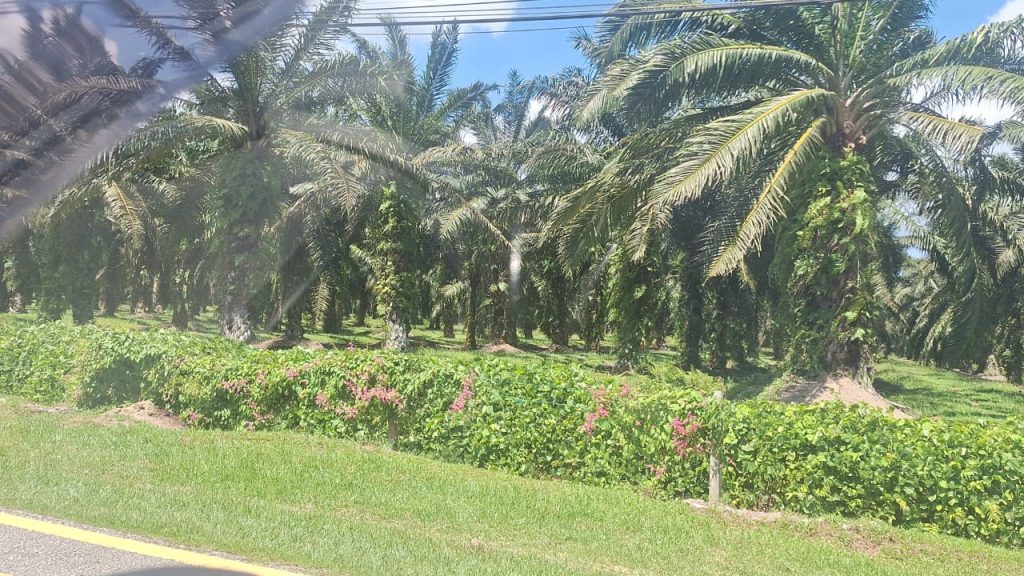
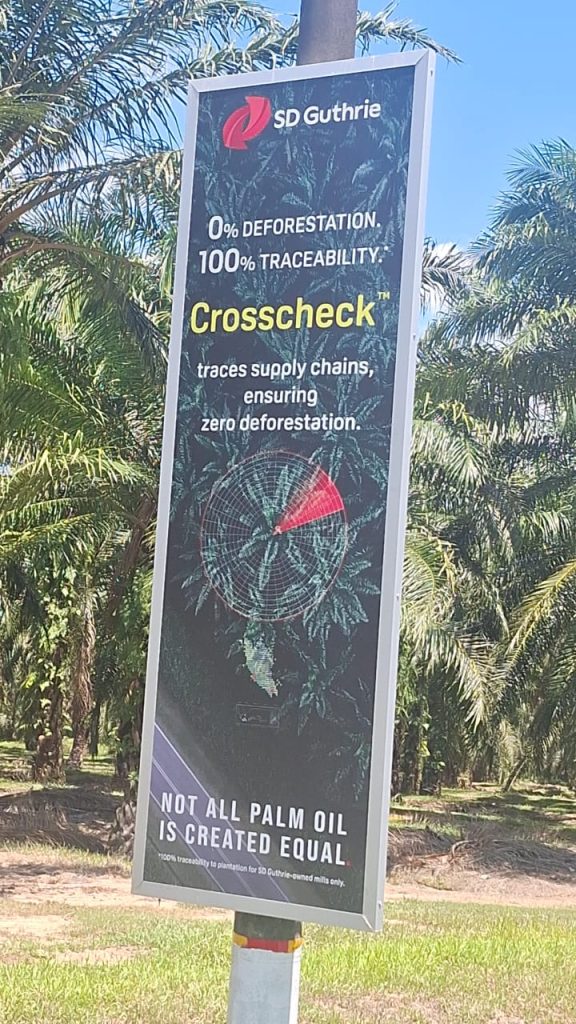
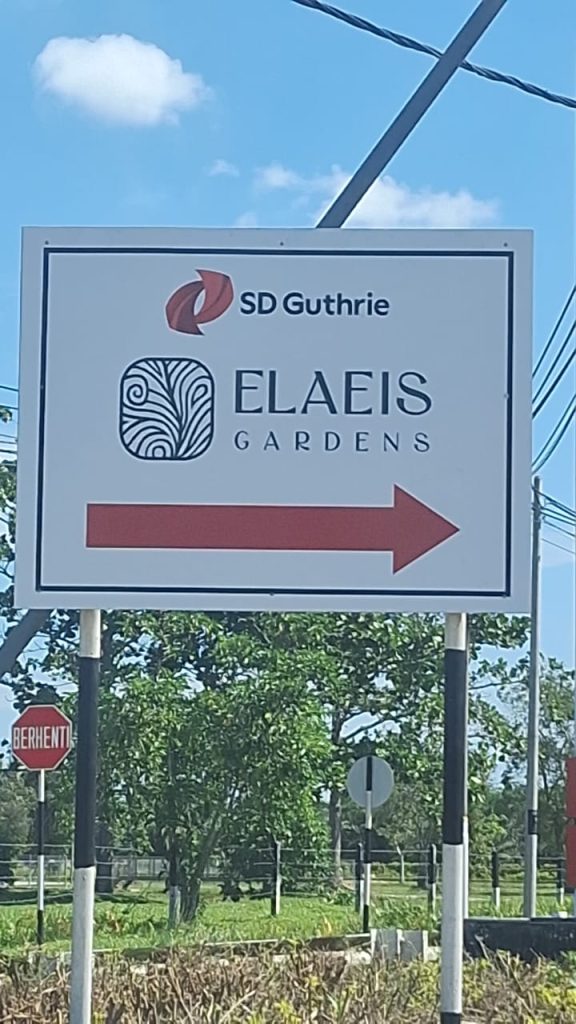
The sweeping oil palm plantations managed by Sime Darby (formerly Guthrie) cover the bulk of Carey Island. Guided plantation tours offer insight into the palm oil industry — from nursery to mill — and the social infrastructure that sustains an on-island workforce community, including schools, clinics, and places of worship like St. Anthony’s Chapel.
Carey Island Fishing Villages
Several small fishing communities dot the island’s perimeter. The village of Kampung Pandamaran Jaya and nearby coastal hamlets see fishermen head out at dawn in traditional wooden boats. Fresh seafood stalls nearby serve the catch of the day — a deeply local experience well off the tourist circuit.
Estate Worker Heritage Homes
Rows of colonial-era worker terrace houses still stand across the estate areas, many originally built by Guthrie in the rubber plantation era. These modest homes are living heritage — their architecture a quiet record of how plantation communities were organised and housed through the 20th century.
Carey Island Coastal Viewpoints
The western and southern shores of Carey Island face the Strait of Malacca. At low tide, vast mudflats stretch for hundreds of metres, attracting shorebird flocks and offering breathtaking flat-light photography opportunities. The sunsets over the strait — viewed with palm silhouettes in the foreground — are genuinely spectacular.
Tamil Schools & Community Halls
The Tamil community on Carey Island has maintained its schools and cultural institutions through successive generations. Tamil-medium schools, Hindu temples, and community halls dot the estate landscape alongside Christian chapels — a reminder of the pluralistic heritage that plantation life quietly preserved.
Planning Your Visit
Carey Island is located approximately 70 km southwest of Kuala Lumpur, accessible via the Federal Highway to Klang and then south toward Pulau Carey via the bridge. There is no public transport to the island, so a private vehicle or hired car is essential. Most visits are day trips, though the island’s peaceful atmosphere makes an overnight homestay — if arrangeable through community networks — particularly rewarding.
The best time to visit is between March and September when rainfall is lower and birdwatching conditions are at their peak. For the feast of St. Anthony at the chapel, plan around 13 June. For the Mah Meri Hari Moyang festival, check with the cultural village as dates follow the traditional lunar calendar.
Both St. Anthony’s Chapel and the Mah Meri Cultural Village are active community spaces. Dress modestly, ask before photographing, and support the local economy directly — purchase carvings from the artisans themselves, and eat at local stalls. Carey Island’s magic is inseparable from the communities who live here.
Visitor’s tip
Sources: Sime Darby Guthrie – Carey Island · About Carey Island · Mah Meri Cultural Village community documentation.